Last Saturday, a guy rolled his red 1990 Miata into my driveway with a front bumper tied on using orange tow straps. The bumper looked aggressive. The gaps looked like somebody had cut them with a chainsaw. He wanted to know whether a na miata body kit would make the car look like a proper track build or turn it into an expensive plastic argument.
The honest answer is that the kit is only part of the bill. You also pay for preparation, brackets, paint, alignment, hardware, and the hours spent making two old pieces of Japanese engineering agree with new fiberglass. A $900 kit can become a $3,000 project before you buy tires. That is not a reason to walk away. It is a reason to do the math before the box lands on your porch.
What You Are Actually Buying
A first-generation Miata, sold from 1990 through 1997, has a simple shape. That helps. There are fewer body lines to fight, and replacement parts are still available through specialty suppliers and used-parts sellers. It does not mean every kit fits every car.
The early cars have different bumpers, lights, trim, and mounting details from later NA models. A kit made for a 1990 car can require changes on a 1996. Pop-up headlight cars also need attention around the nose, fenders, and hood. Before ordering, write down the model year, whether the car has a factory or aftermarket front lip, and whether someone has already cut or drilled the body.
A typical na miata body kit includes some combination of a front bumper, side skirts, rear bumper, fender flares, and a trunk spoiler. Some sellers call a three-piece package a full kit. Others leave out the side skirts and charge separately. Read the parts list like a dealership invoice. “Full” is a sales word, not a guarantee that the pieces you need are in the carton.
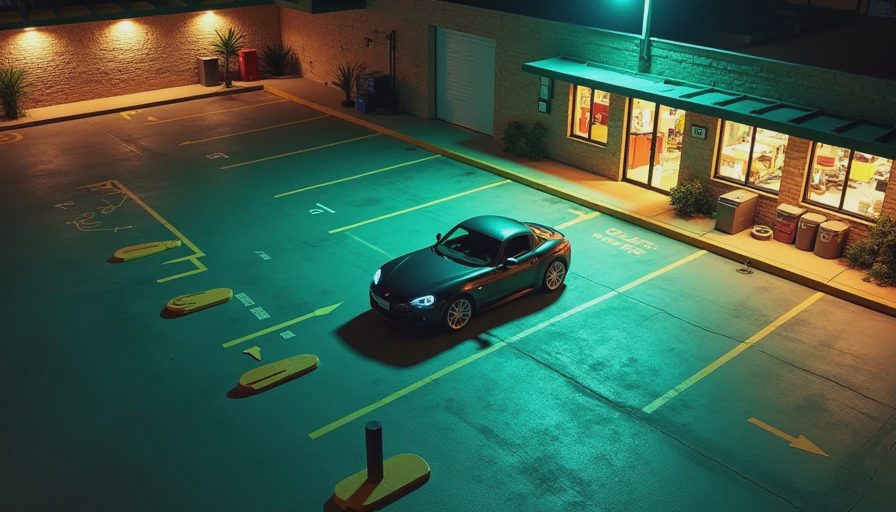
The Price on the Website Is Not the Price in Your Driveway
Fiberglass kits often list between $700 and $1,500. A molded polyurethane or ABS package can cost $1,500 to $3,000, but those materials generally handle parking-lot bumps better than brittle fiberglass. Carbon fiber pushes the number higher without automatically making the fit better.
Then comes the labor. Test-fitting, trimming, repairing pinholes, adding mounting points, and blocking the panels can take 15 to 30 hours. At a shop rate of $100 to $150 per hour, that is $1,500 to $4,500 before paint. A basic color match might add $800 to $1,800. Metallic paint, blending into adjacent panels, and fixing old sun damage can take the total past $5,000.
Here is the math I would write on the back of a receipt: $1,100 kit, $250 shipping, $2,400 installation and preparation, $1,200 paint, and $180 in brackets and fasteners. That is $5,130. The kit seller pockets the first $1,100. The shop earns most of the rest because the cheap part created the difficult part.
Ask the installer to inspect the kit before paint. If the bumper arrives twisted, cracked, or missing mounting tabs, you want that documented while the seller can still be contacted. Paint should be the last step, not the tool used to hide a bad fit.
Fitment Matters More Than the Aggressive Photo
Online photos are taken from six feet away, usually with the wheels turned and the car sitting low. They do not show whether the door opens without touching a side skirt. They do not show whether the bumper covers the factory crash structure or whether the hood latch remains accessible.
A decent installer hangs each piece with temporary fasteners, centers the bumper, checks both wheel openings, and measures the gaps from side to side. The gaps should be consistent enough that your eye does not stop on them. If one side sits 12 millimeters higher than the other, paint will not fix it.
You also need clearance. A low front bumper can scrape on the driveway apron outside your house. A wide fender flare can rub the tire during steering. A rear diffuser can catch on a speed bump and pull the bumper mounts loose. You can raise the car, change wheel offset, or limit steering travel, but each workaround affects how the car drives.
The better na miata body kit is the one that leaves room for maintenance. You should still reach the oil filter, tow points, radiator, and jack locations without removing half the car. A show car that needs an hour of disassembly for a coolant check is not finished. It is just wearing makeup.
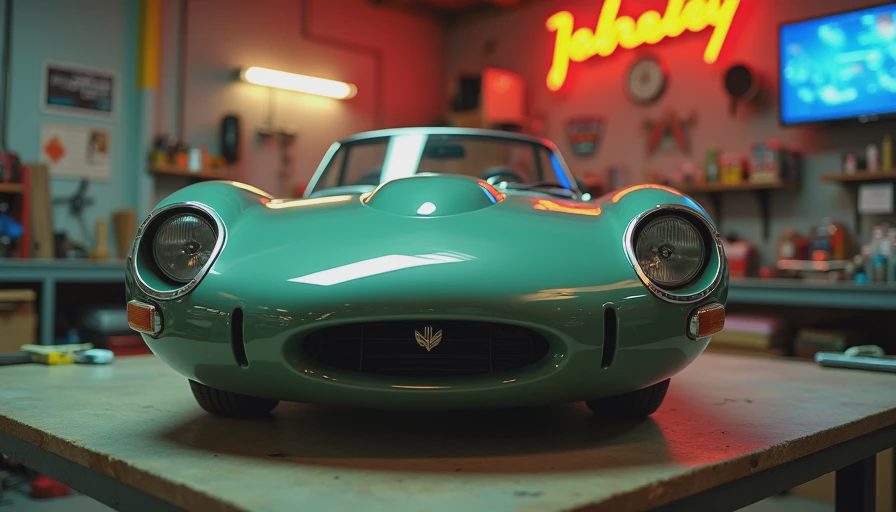
Fiberglass, Polyurethane, or ABS
Fiberglass is popular because it is easy to shape and relatively inexpensive. It is also rigid and unforgiving. A light tap against a curb can crack the edge, and vibration can enlarge a poorly supported mounting hole. Repairs are possible, but they require sanding, resin, filler, and another round of paint.
Polyurethane bends more easily and usually survives ordinary road use better. It can still sag if it is mounted badly or exposed to heat, and it costs more. ABS plastic sits somewhere in the middle. It is light, durable, and often easier to replace than repair, although heat and poor-quality molding can create their own problems.
Ask the seller what the part is made from, how thick it is, and whether the hardware is included. Search for customer photos showing the same year and bumper configuration. One perfect marketing photo tells you almost nothing. Ten owner photos showing the same panel from different angles tell you whether the product deserves your money.
What the Modification Does to Insurance
The body kit does not automatically cancel your auto insurance. Your required liability coverage generally still applies to damage or injuries you cause, subject to your policy limits. The concern is damage to your own modified Miata.
If you carry comprehensive and collision coverage, the policy may pay for covered damage to the vehicle, but custom parts can be subject to a limit or exclusion. Some insurers offer custom equipment coverage or an endorsement for aftermarket additions. Others settle based on standard replacement parts unless you disclosed the upgrade and arranged different coverage.
Keep receipts for the kit, labor, wheels, paint, and professional installation. Take dated photographs before and after the work. Then call the insurer and say exactly what changed. Do not just say “cosmetic upgrades.” Say, “I installed a $2,400 aftermarket body kit and paid $1,600 for paint and installation.” That gives the representative something real to record.
A $4,000 modification that is invisible on the policy can become a $4,000 disappointment after a theft or collision. The premium change might be small, or the company might require a different product. Either way, finding out before the claim is cheaper than arguing after it.
The Sensible Buying Plan
Start with the car, not the catalog. Confirm the year, inspect rust around the fenders and rocker panels, and make sure the chassis is straight. There is no point fitting a $2,000 kit to a car that needs $4,500 in structural and mechanical work.
Next, choose the material based on use. A weekend show car can tolerate fiberglass. A commuter that sees grocery-store curbs and Texas heat deserves a more flexible material. Get two written installation estimates. Make sure each includes trimming, repairs, mounting hardware, primer, paint, blending, and reinstallation of lights and trim.
Finally, reserve money for the unglamorous items: replacement clips, wheel alignment, tire clearance, underbody fasteners, and a second trip to the paint shop. Keep at least 20 percent above the quoted total. If the project estimate is $3,500, have $4,200 available.
My recommendation is simple. Buy the na miata body kit only after an installer confirms the year fitment and inspects the actual parts. Get the complete price in writing, photograph the finished work, and report the modification to your insurer. Then ask the shop to put the warranty terms on the invoice. I told you what they told me to say. Now you know.


No letters yet — pray write the first.