Last Saturday, a guy pulled into my driveway in a nearly new Volkswagen GTI and asked whether his car was actually as quick as the brochure promised. He had seen a 5.1-second claim online, then watched another test record something closer to six seconds. That gap bothered him. It should. The GTI zero to 60 number depends on which generation, transmission, tires, road surface, and launch method you are talking about.
The short version is simple: a modern GTI is quick enough to surprise most drivers, but the advertised figure is not a guarantee for every trim or every road. A 2022 or newer GTI with the dual-clutch automatic, good pavement, and a prepared launch can get close to the low five-second range. A manual car, worn tires, a full tank, or a cautious driver can take longer. None of that means the car is broken.
What the GTI zero to 60 times usually look like
Volkswagen has sold the GTI in the United States for decades, so one number cannot cover the whole family. Older Mk5 and Mk6 cars commonly land in the mid-six-second range when they are healthy. A Mk7 GTI is often quicker, with many tests landing around 5.7 to 6.2 seconds depending on equipment and conditions. The Mk7.5 and Mk8 cars can run in the mid-five-second range, especially with the DSG transmission.
Those are practical ranges, not promises printed in stone. A manual GTI asks you to shift at the right moment. A DSG can change gears faster and repeat the result more consistently. The Performance trim can bring a larger brake package, electronically controlled differential, and other equipment, but it does not turn the car into a drag racer. You are still driving a front-wheel-drive hatchback with about 240 horsepower in recent versions.
The GTI zero to 60 figure also changes with the launch. Some tests use a rollout, which removes the first foot of movement from the timer. That can make the published number look roughly two-tenths quicker than a stopwatch reading from a dead stop. A salesperson who quotes the best number without explaining rollout is giving you the polished version of the story.
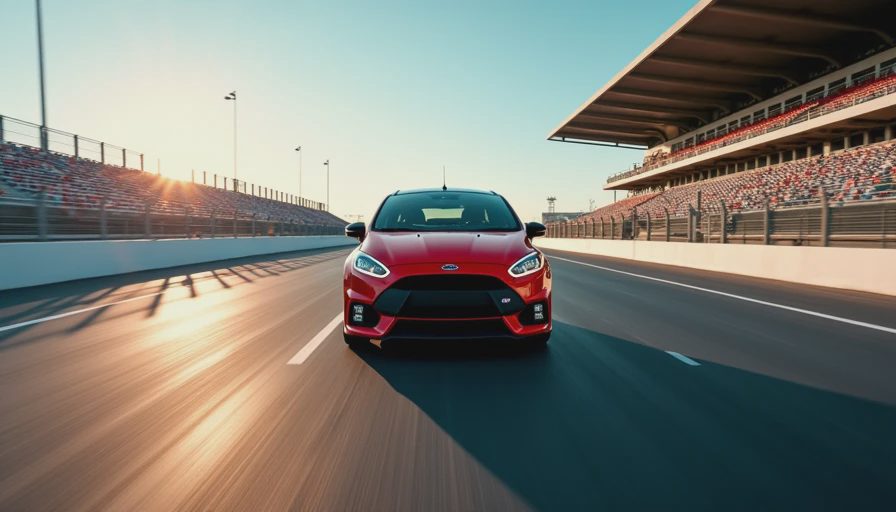
Why transmission and tires change the result
The transmission is the first detail to ask about. With a manual GTI, you control the clutch and shift points. A clean launch takes practice, and an aggressive clutch drop can create wheel hop or unnecessary wear. A DSG uses programmed clutch control, so it can produce repeatable starts without asking you to coordinate three pedals and an engine speed gauge.
Tires matter just as much. A summer performance tire on warm, dry asphalt can put power down better than an all-season tire in cool weather. Extra wheelspin wastes time before the car travels anywhere. The same GTI may feel sharp on a 70-degree afternoon and lazy on a cold morning with damp pavement.
Tire pressure is part of the math, too. Use the door-jamb recommendation rather than guessing from a track-day forum. Too much pressure can reduce the contact patch. Too little can make the sidewall flex and soften the response. Neither is a smart way to chase a tenth of a second on public roads.
If you are buying used, inspect the tire brand, tread depth, and date code. Four new performance tires can cost $600 to $1,000 before installation. That cost belongs in your purchase budget, not in the fantasy version of the GTI zero to 60 conversation.
The number is not the same as daily acceleration
A 5.5-second run sounds impressive, but the useful part of a GTI is how it responds between 30 and 70 mph. Passing traffic, entering a highway, or moving around a slow truck does not require a drag-strip launch. The turbocharged engine delivers strong midrange pull, and the compact body makes the car feel lively at ordinary speeds.
That is why a GTI can feel faster than a larger sedan with a similar published time. You sit lower, hear more engine and tire noise, and have a shorter distance from the front bumper to the driver’s seat. The car communicates more of what it is doing. It is not necessarily accelerating harder every second, but it feels busy in a good way.
There is also a tradeoff. Front-wheel drive can pull the steering wheel under hard acceleration, especially on uneven pavement. Torque steer is not dangerous when the car is maintained and driven sensibly, but it reminds you that the front tires are steering, braking, and transmitting engine power at the same time.

What performance costs after the purchase
The purchase price is only the first number. A used Mk7 GTI might look affordable at $18,000 to $25,000, but maintenance history matters more than the badge. Oil changes, spark plugs, brakes, tires, and DSG service can add real money. A DSG fluid service often runs several hundred dollars, and a full brake and tire refresh can quickly pass $1,500.
Insurance is another line people skip while staring at the GTI zero to 60 result. Insurers price the whole risk profile, including your age, location, driving record, coverage limits, deductible, and the car’s repair costs. A GTI is not automatically expensive to insure, but comprehensive and collision coverage on a newer model can add noticeably to the monthly bill. Get an insurance quote using the exact year and trim before you sign a buyer’s order.
For example, a $350 monthly payment can become $455 after $105 for insurance. Add $90 for fuel and set aside $100 a month for tires and maintenance, and the car is closer to $645 per month before registration. The salesperson’s payment box did not include those costs. The difference comes out of your checking account, not theirs.
How to compare a GTI before you buy
Start with the exact car, not a general search result. Write down the model year, trim, transmission, mileage, tire type, and service records. Then ask for a cold start. Listen for rough idle, warning lights, and unusual turbo noises. A test drive should include gentle acceleration, a highway merge, firm braking, and a slow turn at full steering lock.
Ask whether the car has been tuned. An aftermarket engine tune can improve acceleration, but it can also complicate warranty coverage, emissions compliance, clutch life, and insurance conversations. A stock car with complete records is usually the safer purchase for a daily driver.
Get two insurance quotes before negotiating the vehicle price. Compare the same liability limits, uninsured motorist coverage, comprehensive coverage, collision coverage, and deductibles. A $1,000 deductible lowers the premium compared with a $500 deductible, but you need that $1,000 available after a claim. Saving $18 per month is not useful if one parking-lot accident empties the emergency fund.
The honest answer on GTI speed
The GTI zero to 60 number is useful for comparing similar cars, but it is not the reason to buy one. The car works because it combines quick acceleration, a practical hatchback, manageable size, and everyday comfort. You can carry groceries, a child’s sports gear, or a set of wheels without driving something huge.
If your goal is the quickest possible launch, compare the DSG model with the same tires and test method. If you want control and involvement, drive the manual before deciding. Do not pay a premium for a headline time you will use twice. Spend that money on good tires, a pre-purchase inspection, and an insurance quote that reflects the car you are actually buying.
Next time a seller tells you the GTI zero to 60 time, ask three questions: Which year and trim, which transmission, and was the number measured with rollout? Then ask to see the service records and the installed tire brand. I told you what they told me to say. Now you know.




No letters yet — pray write the first.