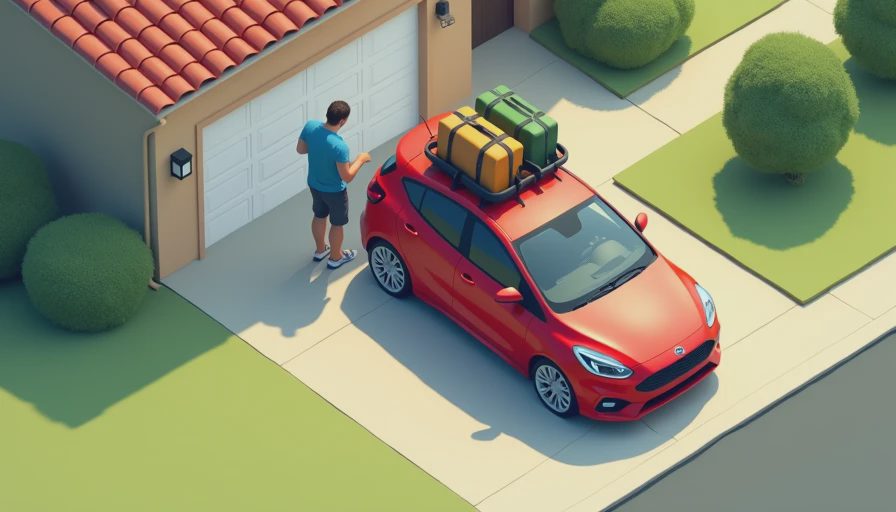
Last Saturday, a guy in my subdivision pulled into the driveway with a new-to-him Volkswagen GTI and a receipt folded in his cup holder. He had paid $742 for a GTI roof rack package the dealership called “factory ready.” The rack itself looked fine. The problem was that the quote included installation, a cargo net, two straps, and a protection plan he never asked for. The actual bars and feet were closer to $430 before tax.
That is the part nobody explains. A GTI roof rack is not one universal product. It is a combination of fit kit, crossbars, towers, locks, and whatever attachment you add afterward. Buy the right pieces and you can carry bikes, skis, a kayak, or a roof box without turning the car into a wind tunnel. Buy the wrong pieces and you can damage the roof trim, lose a bike, or spend Saturday returning parts.
Start With the Exact GTI Fitment
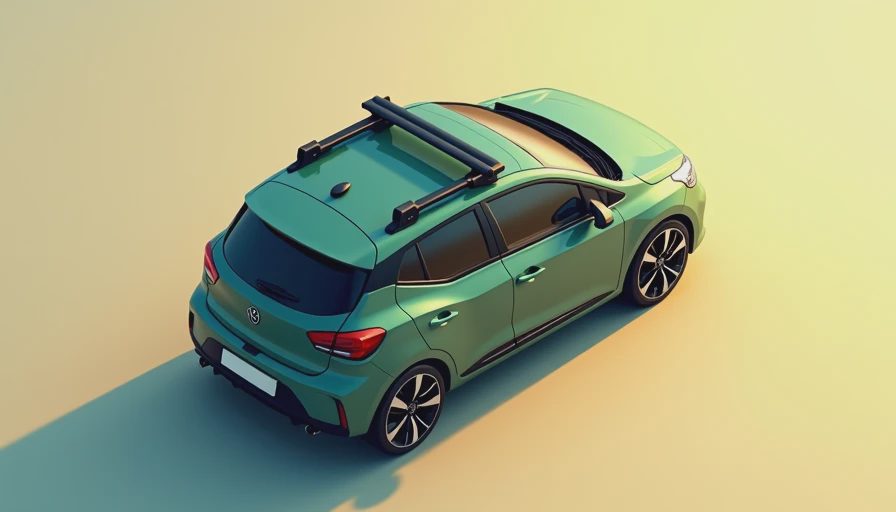
Before you shop, write down the model year, body style, and roof type. A 2015 GTI, a 2021 GTI, and a newer Mk8 GTI can use different mounting hardware. Some cars have bare roofs with concealed mounting points. Others use a roof with rails or a different trim arrangement. The year printed in a search result is not decoration. It determines whether the feet land in the correct place and whether the clamps apply pressure where Volkswagen intended.
A GTI roof rack should sit in the approved mounting zones, not wherever the bars look level. The front and rear bar positions affect load balance, hatch clearance, and wind noise. Open the owner’s manual and look for the roof-load limit before buying anything. That limit includes the bars, mounts, attachment, and cargo. If the rack weighs 35 pounds and your cargo weighs 45 pounds, the roof is carrying 80 pounds, not 45.
Thule, Yakima, and Volkswagen-branded systems are common choices. Thule and Yakima usually give you more attachment options and replacement parts. Volkswagen’s own equipment can have a clean appearance and simple dealer support. None of those names removes the need to confirm fitment. A premium rack on the wrong foot pack is still the wrong rack.
What the Price Really Includes
The phrase GTI roof rack often hides four separate prices. Crossbars might cost $180 to $300. Towers or feet can add $150 to $250. A vehicle-specific fit kit may run $80 to $150. Locks, depending on the brand, can add another $40 to $90. That puts a basic setup around $410 to $790 before a bike tray, ski carrier, kayak cradle, or roof box enters the conversation.
A dealership installation quote can add $100 to $250. That is not automatically a rip-off. You are paying for someone to inspect the roof, torque the hardware, and accept responsibility for the work. The question is whether the quote shows those charges separately. In the example from my driveway, the protection plan was $129 and covered “appearance-related rack concerns.” It did not cover a bike that was attached incorrectly. That line was money for the paperwork, not meaningful protection.
A local shop may install the system for $75 to $150, while a careful owner can do the job with the included tools in about an hour. You do not need a lift or special garage. You need a clean roof, the instructions, a tape measure, and enough patience to read the torque steps twice.
Installation Is Where Small Mistakes Get Expensive
Clean the contact points before placing the feet. Dirt trapped under a rubber pad can mark the paint or keep the tower from sitting flat. Measure from the windshield edge or another fixed point exactly as the instructions specify. “Looks about right” is not a measurement. A bar sitting two inches too far forward can interfere with the hatch, create extra noise, or shift the load toward the front mounting point.
Tighten each side in stages. Do not fully tighten the left tower while the right side is loose. The bar can pull out of square, and the final measurement will be wrong. Many quality systems include a torque indicator or a tool that clicks when the correct tension is reached. When that happens, stop turning. More force does not create more safety.
After installation, open and close the doors, hatch, and sunroof if equipped. Check that the rubber seals remain seated and that the clamps do not touch painted metal in an unusual spot. Then pull on each tower by hand. It should feel solid, without rocking or sliding. Recheck the hardware after the first trip and again after several hundred miles, especially if you installed the GTI roof rack yourself.
Wind Noise, Fuel, and Everyday Use
A roof rack changes the car even when it is empty. At highway speed, crossbars can create a whistle or low hum. Fairings sometimes reduce that noise, but they do not make it disappear. The most noticeable improvement is often removing the rack when you do not need it. A GTI roof rack that stays on year-round collects dirt, sees more weather, and adds aerodynamic drag on every commute.
You will also notice a fuel-cost difference when carrying a roof box or upright bike. The amount depends on speed, wind, vehicle condition, and the shape of the load. The practical math is simple: if a weekend trip uses an extra half tank at $3.50 per gallon, that is roughly $25 to $35 in fuel, before parking or tolls. Removing an unused box between trips is cheap performance maintenance.
Keep the heaviest items low and centered. A pair of bikes should not be loaded on one side if the carriers can be positioned evenly. Use the straps supplied with the attachment, then add a separate safety check around wheels, pedals, and loose bars. Do not rely on a bungee cord as the primary restraint for a valuable bike.
Theft, Damage, and Insurance Questions
Locking cores make casual removal harder, but they do not turn a rack into a vault. A thief with tools can defeat many accessories, particularly when the car is parked overnight in an unfamiliar place. Lock the towers and the attachment, but take expensive bikes or boards inside when practical. A $900 bike left on a $600 rack is still an inviting target.
Insurance treatment depends on the policy and the loss. A roof rack permanently attached to the vehicle may be handled differently from a bike or cargo box that belongs to you. Comprehensive coverage generally addresses certain non-collision losses to the insured vehicle, while collision coverage addresses damage from a crash, subject to the deductible. Personal property coverage could be relevant to equipment, but an auto policy does not automatically cover every item carried on the car.
Before a trip, call your insurer and ask three plain questions: Is the GTI roof rack treated as vehicle equipment, what deductible applies if it is damaged, and how are bikes or cargo boxes handled? Write down the answer and keep purchase receipts and photos. That five-minute call is better than discovering after a $2,000 loss that you assumed the wrong policy applied.
The Purchase Check I Would Use
Start with fitment, then compare the complete price. A $249 bar set is not cheaper if it still needs $220 in towers and a $110 fit kit. Ask for the total installed price, the exact part numbers, and whether the system can be removed without leaving marks. If a dealer cannot explain those three lines, take the quote home.
For a GTI used for occasional bicycles, a basic two-bike tray may be enough. For family trips, a roof box can add useful storage but raises the center of gravity and creates more wind resistance. For skis or a kayak, buy the attachment designed for that load instead of improvising with straps around bare bars.
Take a photo of the installed rack from the side and front. Save the instructions in the glovebox or phone. Before every trip, check the locks, clamps, straps, hatch clearance, and load weight. That is the whole routine. It takes less time than explaining to a highway patrol officer why your cargo is sliding backward.
When you shop for a GTI roof rack, ask to see the fit kit part number and the complete out-the-door total before handing over a card. Then compare that number with a reputable parts retailer and one local installer. I told you what they told me to say. Now you know.




No letters yet — pray write the first.