Last Saturday, a neighbor walked over while I was changing the oil in my old Bronco and asked whether a Miata daily driver made sense in suburban traffic. He had found a clean 2019 Mazda MX-5 Miata with 42,000 miles, a $21,400 asking price, and one problem: he had never owned anything smaller than a Honda Accord. That is the right question, because a Miata is cheap to buy compared with many sports cars, but it asks you to accept a few compromises every morning.
A Miata daily driver can work very well if your commute is short, your back tolerates a low seat, and you do not regularly carry adults or large cargo. It is light, simple, easy to park, and entertaining at speeds that will not get you arrested. It is not a tiny SUV with a folding roof. Before you sign anything, price the car, insurance, tires, weather equipment, and the inconvenience of having almost no usable rear storage.
What the commute feels like
The first surprise is how normal the car feels in town. The clutch in a manual MX-5 is light, the shifter is close at hand, and the steering gives you more information than most crossovers. An automatic is available if stop-and-go traffic is your daily punishment, though the manual usually makes the car feel more alive. You sit low, so a full-size pickup beside you can block your view at an intersection. That is not dangerous by itself, but it requires more deliberate positioning and extra space when changing lanes.
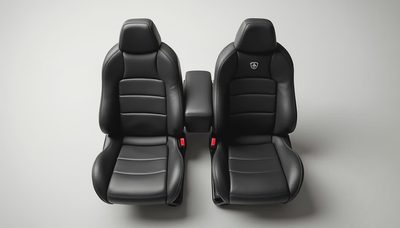
For a Miata daily driver, the biggest comfort question is your body, not the brochure. Sit in the exact car for 30 minutes. Adjust the wheel, rest your left foot, and get out without using the door as a handrail. If your knees hit the dashboard or your shoulder presses the door, the problem will not improve after purchase. A 30-mile commute can turn a charming roadster into a piece of office equipment you resent.
Fuel costs are usually manageable. Depending on traffic and driving style, owners often see fuel economy in the high 20s or low 30s. A 12-gallon tank does not mean you are stopping every other day. The real cost surprise is tires. A set of quality tires can run roughly $500 to $850 installed, and aggressive driving can shorten that interval considerably.

Weather, roads, and the stuff salespeople skip
The soft top is better than people assume. It opens quickly from the driver’s seat, and newer cloth tops are not fragile decorations. Still, inspect the drains, seals, rear window, and carpet before buying. A clogged drain can turn rain into wet carpet, and wet carpet left alone can create a smell that costs more to fix than the original bargain saved.
Snow is possible with proper tires and sensible driving, but ground clearance is limited and the car is light. In northern states, road salt deserves attention underneath the car, especially around brake lines, suspension hardware, and the convertible structure. In Texas heat, the roof and cabin get hot quickly when parked outside. A sunshade is a $25 purchase that earns its keep.
A Miata daily driver also has less protection from road noise than a sedan. The soft top lets in tire hiss, wind, and the occasional rattle. Bluetooth audio works, but you may turn the volume up on the highway. The trunk is small, usually enough for groceries or two modest bags. A pair of carry-on suitcases can fit with planning. A week of family shopping cannot.
Insurance and the monthly math
Do not assume a small car automatically means cheap insurance. Insurers price the driver, location, driving record, coverage limits, vehicle value, claims history, and repair costs. A newer MX-5 may be less expensive to insure than a powerful muscle car, but collision coverage still matters if you finance it. Your lender will generally require comprehensive and collision coverage until the loan is paid.
Here is the math I would write on the back of the worksheet. A $21,400 Miata with $1,200 in taxes and registration, a $1,000 down payment, and about $700 in dealer and lender charges leaves roughly $22,300 financed before interest. At 7.5% for 60 months, the payment is close to $447. Add $120 for insurance, $135 for fuel, and $40 per month for maintenance and tires, and the car is around $742 monthly before parking or repairs.
That $40 maintenance line is not magic. It is a savings bucket. Oil changes may cost $60 to $110, a battery can run $140 to $220, and brake work can reach $350 to $700 per axle depending on parts and labor. Get quotes from at least three insurers using the same liability limits and deductibles. Raising a collision deductible from $500 to $1,000 can reduce the premium, but only do it if you can actually keep that extra $500 available.

Which Miata makes sense
The ND generation, sold from 2016 onward, is the easiest recommendation for a Miata daily driver because it is newer, safer than older examples, and still simple enough to inspect. The 2019 refresh brought useful changes, including more available engine power and updated safety equipment on certain trims. That does not make every 2019 car a good buy. Service records and condition beat a model-year sticker.
The Sport trim is often the value choice. It gives you the core driving experience without paying for every convenience feature. Club versions can bring better suspension and performance equipment, while Grand Touring models add comfort items such as leather seating and climate features. If you commute on rough roads, be cautious with very stiff suspension and oversized wheels. A $1,000 wheel upgrade can become a $600 replacement bill after one bad pothole.
Older NC models can cost less, sometimes landing in the $10,000 to $17,000 range depending on mileage and condition. That lower purchase price leaves money for maintenance, but age matters. Have a shop inspect the cooling system, clutch, suspension bushings, convertible top, and evidence of accident repair. A cheap Miata with $3,500 of deferred work is not a cheap car.
The test drive that prevents regret
Drive the route you actually use. Spend time on a highway, a rough side street, a parking garage ramp, and a grocery-store lot. Test the reverse gear, windows, air conditioning, headlights, seat adjustments, and top operation. Look under the floor mat for dampness. Check tire age, not just tread depth; the date code on the sidewall tells you whether old rubber is waiting to fail.
Ask for the VIN before visiting the dealership and obtain an insurance quote using that exact vehicle. Pay for an independent pre-purchase inspection, usually $150 to $250. That fee is small beside an engine, transmission, or structural repair. If the seller refuses an inspection, you have learned something valuable before handing over a deposit.
My answer to the original neighbor was simple: buy a Miata daily driver when its limitations fit your life, not because someone online called it practical. Get the insurance quote, measure your parking space, sit in it after a long test drive, and budget the tires before negotiating. Then ask the seller to show you the service records, roof drains, tire date codes, and every fee on the buyer’s order. I told you what they told me to say. Now you know.




No letters yet — pray write the first.