Last Saturday, a guy rolled into my driveway with a red NA Miata and asked about the na miata front sway bar stock setup before he spent another $300 on parts he did not really need. That is a good question, because the factory bar is one of those pieces that gets blamed for everything from body roll to a clunk over a driveway lip. Most of the time, the bar is not the real problem. The rubber around it, the links, or the way the rest of the car was lowered usually tells the story first.
What the factory bar is doing up front
A sway bar links the left and right sides of the suspension so the car resists lean in a turn. On an NA Miata, the front bar is mild from the factory. That is why the car feels light on its feet instead of twitchy. The bar is not there to make the car stiff. It is there to keep the nose from rolling onto the outside tire too fast, so the steering stays honest. When the bushings are soft or the end links are clunky, you feel it as a knock over driveway angles or a lazy first inch of turn-in. The metal bar rarely fails. The rubber around it does.
That is why I do not look at the bar alone. I look at the bar, the bushings, the end links, and whether the car has been lowered. You can spend $300 on shiny parts and still leave the real problem in place. A set of fresh OEM-style bushings and links can wake the car up for less than a tank of gas in a truck, and it is not magic. It is just taking the slop out. A worn bushing can make a good bar feel tired.
Why the stock setup still feels right on the street
If you drive the car to work, grab coffee, and hit a back road on Saturday, the factory setup still makes sense. The NA Miata was built to be playful before it was built to be fast. On 195-width tires or a modest 205, the stock front bar keeps the nose calm without beating you up over patched asphalt. A stock bar in good shape lets the car breathe over rough pavement instead of skating across it.
If you are only trying to get rid of wobble, good tires and a clean alignment often do more than a thicker bar. Fresh rubber, a normal amount of negative camber, and straight end links can make the car feel like it lost 20,000 miles overnight. That is why I tell people not to chase hardware before they have checked the cheap stuff. The cheap stuff is usually what changed.
When the front bar becomes the weak link
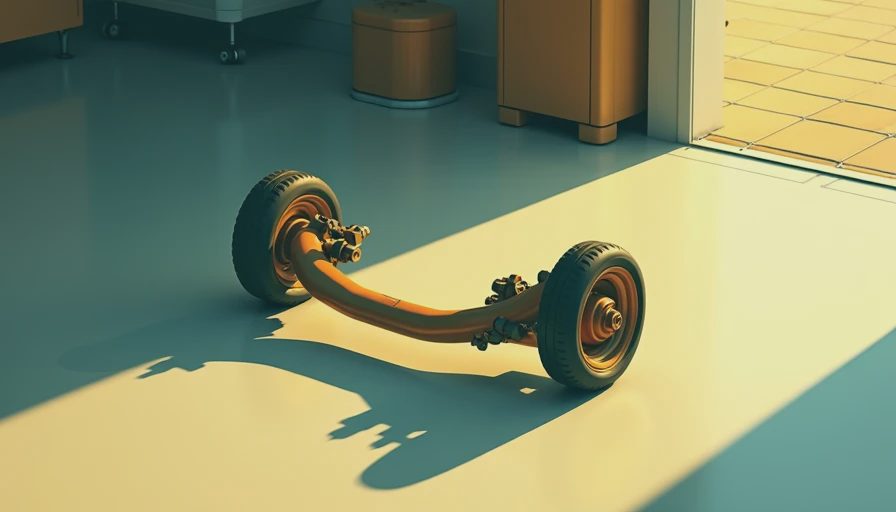
The na miata front sway bar stock setup starts to show its limits when the rest of the car changes. Lower springs shorten travel. Sticky tires bite harder. Cheap coilovers put the car on the bump stops, then people blame the bar because it is the part they can see. That is the quiet joke. The bar did not get weak. The leverage changed. When the nose starts to chatter over broken pavement, people blame the bar, but the tire pressure or a sloppy mount is often the real villain.
If the car noses over in fast sweepers, washes wide at corner entry, or feels like it takes a second to settle after a lane change, the sway bar may be part of it, but it is rarely the only part. I have seen people swap in stiffer bars when a torn bushing and a loose end link were making the noise. They paid for aluminum and got a squeak. A car with 180,000 miles can make a $35 problem sound like a $350 problem if you do not crawl under it first.
What to inspect before you buy parts
Before you order anything, look at the brackets where the bar bolts to the frame. If the rubber is cracked, flattened, or missing chunks, that is money leaving the car. A pair of decent replacement bushings can run $20 to $40. End links can run $30 to $80 each depending on brand. If a shop is doing rusty bolts in the Northeast or a car that lived near the coast, labor can jump to $120 to $250 fast. Do not pay for a bar until you know the clamp bolts are straight and the brackets are not egged out.
If the na miata front sway bar stock hardware is still on the car, check for shiny witness marks where the bar has walked in the bushings. Also check for mismatched parts. I see this a lot: one side has a new link, the other side is original. Or somebody removed the bar after lowering springs and never re-torqued anything. That is how you get a little clunk that turns into a big headache. A quick flashlight check can save you a Saturday and a hundred-dollar mistake.
Stock versus common swaps
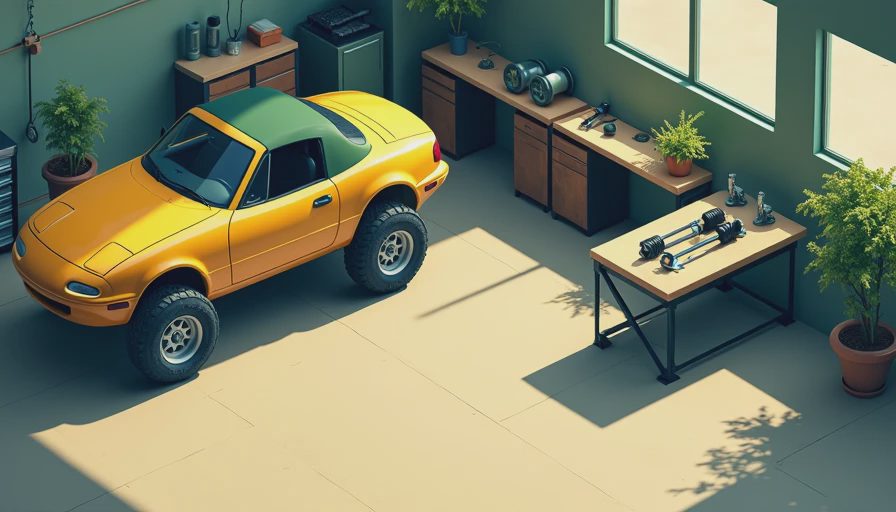
A lot of Miata owners go one of three ways. They keep the factory bar, they replace it with another OEM-style piece, or they buy a stiffer aftermarket bar from brands like Racing Beat or Flyin' Miata. The first route is the cheapest and quietest. The second is the right move if the old bar is bent or the bushings are cooked. The third sharpens response, but it also changes balance. A thicker front bar can reduce roll and make the steering feel crisper, yet if the rear stays soft the car can push more in hard corners.
Racing Beat and Flyin' Miata are the names people bring up because the parts are common and the catalogs are clear, not because the box does the driving. If your tires are old, a bigger bar is lipstick on a bald tire. If your alignment is off, a bigger bar just helps you arrive at the wrong answer faster. That is why I do not tell a street driver to buy parts by ego. If the car already feels tidy, the money might be better spent on fresh tires, an alignment, and end links that do not rattle.
A simple driveway check before you spend money
Jack the car safely, grab the bar near each bushing, and try to move it by hand. You are looking for torn rubber, shiny metal where rubber used to live, and any play in the links. A healthy bar should not bang around when you tap it with a wrench. If the noise shows up over one-wheel bumps, the links and bushings are usually the first suspects. If the front end feels floppy after a curb hit or a pothole, measure before you guess. A bent bar is rare, but it happens.
If the na miata front sway bar stock pieces are still on the car, keep the original geometry until you know the rest of the suspension is honest. And if you are buying a used NA, ask the seller to show you the undercarriage before you get wrapped up in paint and wheels. A clean car with tired suspension is still a tired car. A dirty car with fresh bushings can be the better deal.
The next time you hear a little clunk or feel too much roll, do not start with the shiny catalog. Start with the bar, the bushings, and the links. If the worn pieces are the issue, fix that first and save the upgrade money for the part that is actually broken. Ask the seller or your mechanic to put it on a lift and point at the exact line, not the story. I told you what they told me to say. Now you know.



No letters yet — pray write the first.