Last Saturday, a neighbor stopped me beside my garage and showed me a text from a dealership. It said, “We can get you into this SUV for $429 a month.” He wanted to know if that was a good deal. I asked one question: “What is the best otd price?” He did not have an answer, because the dealer had only discussed the payment.
That is the first trap. A monthly payment can be stretched over 60, 72, or 84 months until almost any vehicle looks affordable. The out-the-door price is different. It is the full amount required to buy the vehicle before financing costs, including the selling price, dealer fees, taxes, title, registration, and any products you accept. That number lets you compare one store with another on level ground.
What the out-the-door price actually includes
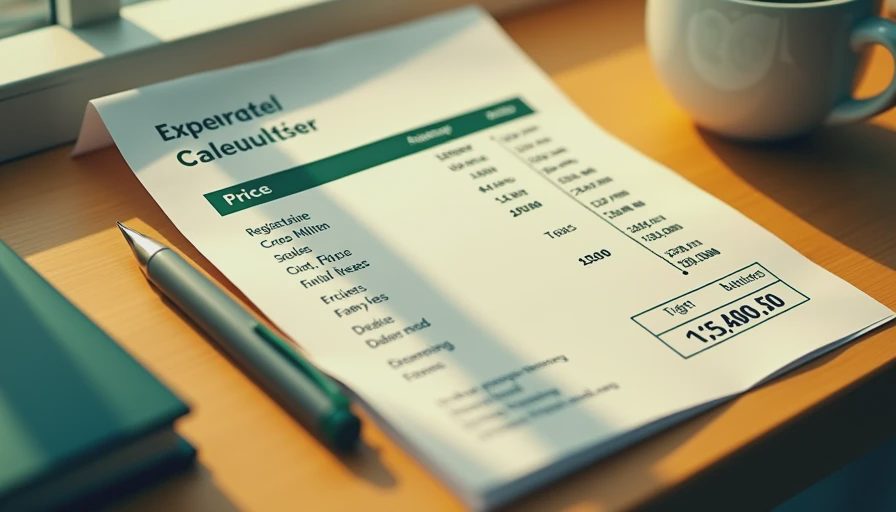
When you ask for the best otd price, you are asking for a complete buyer’s order, not a rough estimate scribbled on a worksheet. Start with the vehicle’s selling price. Then look for the destination charge on a new vehicle, a documentation or processing fee, state and local taxes, title charges, registration, and any required electronic filing or inspection costs.
Here is the math on a $32,000 vehicle. Suppose the dealer discounts it to $30,500. Add a $499 documentation fee, $2,135 in sales tax, and roughly $350 for title and registration. The out-the-door total is $33,484. If the salesperson says the vehicle is “only $30,500,” that is the selling price, not the check-writing number.
Now look at optional products. Paint protection, nitrogen in the tires, theft-marking packages, extended warranties, and prepaid maintenance can add $300 to more than $4,000. Some stores install accessories before you arrive. If you did not request the item, ask whether it can be removed or credited. The best otd price is not the one with the most products quietly rolled into it.

How to ask for the best otd price by text
Send the same short request to several dealerships. Give them the exact year, make, model, trim, color if it matters, and stock number or vehicle identification number. Say that you are comparing written out-the-door offers and want the selling price, dealer fee, taxes, title, registration, and installed accessories shown separately.
Ask for the best otd price with no trade-in and no financing assumptions. Your trade has value, but combining it with the new-car price makes the deal harder to read. Financing also deserves its own conversation because a low payment can hide a high interest rate or a long term.
A useful message looks like this: “Please send your complete out-the-door price for stock number 1842, including every dealer fee, tax, title, registration, and installed option. I am comparing written offers and will not discuss monthly payment until the purchase price is clear.” That sentence tells the salesperson you are serious and that you know where the money hides.
Some stores will reply with a clean quote. Others will send a payment, ask you to come in, or say the price depends on financing. You do not have to argue. Reply once and ask which exact fee or condition prevents them from giving the total. Their answer tells you more than another hour in the showroom.
The fees that deserve a second look
A documentation fee is a real dealer charge in many states, but the amount can vary widely. It usually covers paperwork and processing. It is not the same thing as taxes or registration, and calling it “government paperwork” does not make the money go to the government.
Watch for duplicate charges. A window sticker may show a destination charge, while a worksheet adds another delivery fee. A dealer may list a protection package in the advertised price and then add a second “appearance” package in the finance office. Ask what each line pays for and whether it was installed before you agreed to buy.
The phrase “market adjustment” is also worth examining. It is an added markup above the manufacturer’s suggested retail price, often tied to demand or limited inventory. It is not a tax. On a popular truck or hybrid, that markup could be $1,000, $3,000, or more. You can decide whether the vehicle is worth it, but you should see it plainly in the written offer.
If a fee is required, treat it as part of the real price. Do not waste energy demanding that a dealer remove a fee if the store simply reduces the discount by the same amount. Compare the final total with another written offer. The best otd price is the lowest complete number for the same vehicle, not the biggest discount printed in blue ink.
Separate the vehicle deal from financing
After you have the purchase price, ask for the annual percentage rate, loan term, amount financed, and total of payments. A $30,000 loan at 8 percent for 60 months costs more than the same loan at 5 percent. Extending the term can lower the monthly payment while adding thousands in interest.
The finance office may offer gap coverage, service contracts, tire protection, or credit insurance. Some products can be useful, but none should be accepted because the payment is only $20 higher. Ask for the product price, what it covers, exclusions, and whether cancellation is available. You can also obtain financing from a bank or credit union before visiting the dealer, then compare the dealer’s offer without pressure.
Do not let a trade-in blur the numbers. Write down four separate figures: the new vehicle’s out-the-door total, the trade allowance, the payoff on your old loan, and the amount you will finance. If your trade is worth $18,000 and you owe $20,500, the $2,500 difference is negative equity. It does not disappear when the dealer says the payment is manageable. It gets added to the next loan.
What to do when the price changes at the store
Bring the written quote and compare it with the buyer’s order before signing. The vehicle identification number should match. The selling price, dealer fee, taxes, registration, and optional products should match the agreed figures. A surprise protection package for $1,295 is not a small paperwork error.
If the numbers change, ask the salesperson to explain each new line. Then take a quiet minute. You are allowed to leave and review the figures at home. A legitimate offer can survive a few minutes of reading.
I used to sit at the desk while customers focused on the payment box. That was the point of the menu. Put several choices in front of someone, talk quickly, and let the monthly number feel familiar before the full cost landed. I told you what they told me to say. Now you know.
Before your next dealership visit, request the best otd price in writing for the exact vehicle. Compare complete totals, keep the trade and financing separate, and ask the person across the desk to point to every fee. If the number is not on the buyer’s order, it is not part of your deal yet.




No letters yet — pray write the first.