Last Saturday, a neighbor caught me beside the mower and asked what “OTD” meant on a dealer worksheet. He had negotiated a $27,400 SUV down to $25,900, so he thought he had done the hard part. Then the finance manager showed him a number over $29,000. That is why the OTD meaning car buyers need to understand is simple: OTD means out-the-door price, the amount you pay to leave the dealership with the vehicle.
The OTD price is not the sticker price. It is not the monthly payment. It is the full purchase price after the vehicle price, dealer charges, government fees, taxes, and any products you agreed to buy are added together. If you are comparing two dealers, compare their OTD prices. Nothing else puts the offers on the same page.
What OTD includes on a car deal
A proper out-the-door quote starts with the agreed selling price. From there, the worksheet should show sales tax, title and registration charges, and dealer documentation or processing fees. Depending on the state and the store, you might also see an electronic filing fee, tag fee, inspection charge, or temporary registration cost.
Here is a clean example. The vehicle sells for $25,900. Sales tax at 6.25% adds $1,618.75. A $150 title and registration estimate plus a $225 documentation fee brings the total to $27,893.75. That is the OTD number before a trade-in, down payment, or loan is applied.
Those last three items change how you pay, not what the car costs. A $3,000 down payment reduces the amount financed to roughly $24,893.75. It does not turn a $27,893.75 purchase into a $24,893.75 purchase. The OTD meaning car buyers miss is that cash flow and purchase price are two different things.
If the worksheet has a $995 protection package, nitrogen tires, paint sealant, or theft-recovery device, the OTD price includes those products if you accept them. Ask what each line does, what it costs, and whether it is optional before you sign.

OTD meaning car shoppers should use when negotiating
When a salesperson asks what monthly payment you want, bring the conversation back to the OTD price. A payment can be stretched across 72 or 84 months, and a low rate can make a large balance feel harmless. The car still costs the same amount, and the longer loan usually creates more interest and a greater chance that you owe more than the vehicle is worth.
Say this plainly: “Please give me your best out-the-door price in writing, with the vehicle price, dealer fees, taxes, and government charges listed separately.” That request gives you something useful to compare. A dealer offering a $1,000 discount can still be more expensive if it adds a $1,500 package or a $899 processing fee.
The OTD meaning car buyers need is especially important when two vehicles have different advertised prices. Dealer A advertises $24,999 but adds $1,295 in accessories and a $799 documentation fee. Dealer B advertises $25,700 with no accessories and a $299 fee. Before tax, Dealer A is $27,093 and Dealer B is $25,999. The lower online price is not the lower deal.
Get the quote by email or text if possible. A screenshot with the stock number, VIN, selling price, fees, and expiration date is more useful than a verbal promise made beside a showroom desk.
Which fees are legitimate and which need questions
Taxes and state registration charges are not dealer profit. The documentation fee usually is a dealer charge for preparing paperwork, although its amount and regulation differ by state. That does not mean you must pretend it is invisible. Treat it as part of the price and negotiate the vehicle price around it.
A market adjustment, dealer add-on, or accessory package deserves a direct question. A market adjustment is an extra amount above the advertised vehicle price. Accessories can include floor mats, wheel locks, window tint, cargo trays, or a tracking system. Some are useful. A $1,200 GPS product that costs the store far less is not automatically a good purchase because it appears on a menu.
I used to present those menus. We would start with a payment and work backward until the customer stopped asking questions. The clean way is the reverse: settle the OTD price first, then choose financing and protection products separately. If the salesperson says an add-on is required, ask for that policy in writing and ask whether another vehicle is available without it.
How trade-ins and financing change the math
A trade-in belongs on its own line. Suppose your new vehicle OTD price is $31,400, your trade allowance is $12,000, and the old loan payoff is $14,500. You have $2,500 of negative equity. That shortfall can be paid in cash or rolled into the next loan. It does not disappear because the payment only rises by $42 a month.
The same discipline applies to financing. An offer with a $515 payment for 72 months can cost more than a $565 payment for 60 months, depending on the interest rate and amount financed. Ask for the amount financed, annual percentage rate, term, and total of payments. The OTD meaning car buyers should remember is about the purchase contract; financing tells you what borrowing adds afterward.
Your auto insurance belongs in the budget too, but it is not part of the dealer’s OTD price. A newer SUV can cost more to insure because of repair costs, replacement sensors, or comprehensive and collision coverage requirements from a lender. Get an insurance quote using the VIN before you finalize the deal. A $35 monthly premium difference becomes $2,100 over five years.
A five-minute OTD worksheet
Before entering the finance office, write these lines on your phone:
- Agreed vehicle price: $
- Factory or dealer rebate: minus $
- Dealer documentation fee: $
- Accessories or protection products: $
- Sales tax: $
- Title, registration, and filing charges: $
- Final OTD price: $
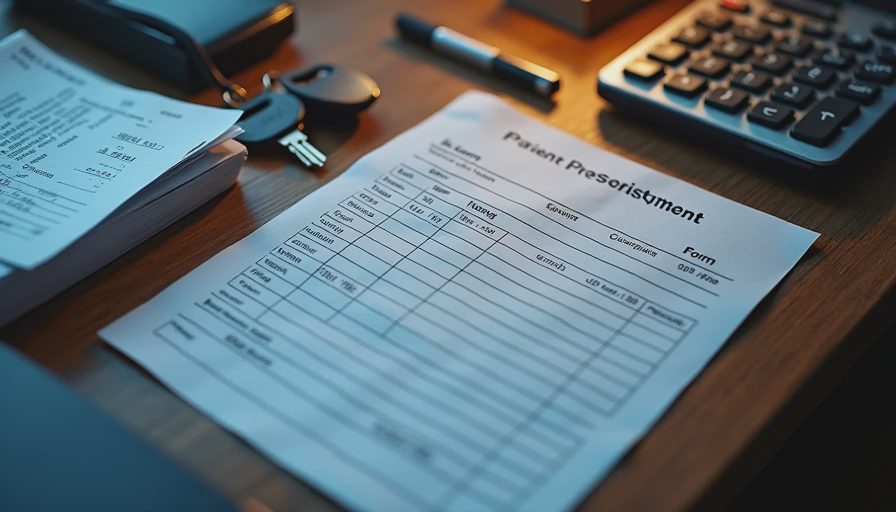
Keep the trade allowance, loan payoff, down payment, and financing fees underneath that total. This layout prevents a dealer from using your trade equity to hide a higher vehicle price. It also gives you a fast way to compare offers from a Toyota store, a Ford store, CarMax, or an independent lot without getting distracted by different payment presentations.
Read the buyer’s order before signing. The vehicle identification number should match the car you inspected. Check that optional products you rejected are not listed, and compare the final number with the written quote. If a $995 service contract appears after you said no, stop and ask for a corrected contract.
The number to ask for next time
You do not need to argue about the meaning of a fee or perform dealership accounting in the parking lot. You need the complete number. Ask, “What is the out-the-door price including taxes and all mandatory fees, with no financing and no trade?” Then ask for it in writing.
The OTD meaning car buyers use correctly gives you control before the conversation turns into a monthly-payment exercise. It shows who is charging what, separates real government costs from dealer extras, and makes a $500 difference visible instead of burying it in a six-year loan.
I told you what they told me to say. Now you know. Before you sign, point to the final line and ask the finance manager to explain every dollar between the advertised price and the OTD price.




No letters yet — pray write the first.